
How to Choose LED Filament Bulb Glass Shapes for Decorative Fixtures
Practical product, application and sourcing guidance for B2B lighting buyers.
← BACK TO JOURNAL01Choose the Glass Shape to Match the Fixture
With LED filament bulbs, the glass shape is not only a styling choice. It decides how the bulb behaves inside the fixture: whether it disappears into the setting, softens the view, or becomes a visible accent that helps define the room.
The best shape is the one that matches the fixture’s visual role first, then supports the mood of the space.
Open pendants and chandeliers can usually carry a more expressive bulb form because the lamp is part of the scene. Cage fixtures often work better with a shape that stays readable but not overly dominant. Shaded lamps usually benefit from a calmer profile that blends with the shade and keeps the light effect restrained.
If the fixture is meant to showcase the bulb, choose a form that reads as a visible accent. If the fixture is already decorative, use a shape that softens the lamp’s presence. If the shade does most of the styling, keep the bulb quiet and unobtrusive.
- Open pendants: choose a more presentable shape with clear visual character.
- Chandeliers: choose a shape that feels refined and balanced in clusters.
- Cage fixtures: choose a shape that stays visible without looking heavy.
- Shaded lamps: choose a calmer shape that supports the shade’s silhouette.
02Match the Shape to the Fixture
Decorative LED filament bulbs work best when the glass silhouette supports the fixture, not when it competes with it. Use the shape as a visual tool: some forms feel soft and familiar, others look more sculptural, and a few are better at creating a clean vertical line inside pendant, chandelier, or wall-mounted designs.
For hospitality, retail, and residential decorative work, the most useful question is simple: should the bulb read as a calm background glow, or as a visible feature that helps define the room’s mood?
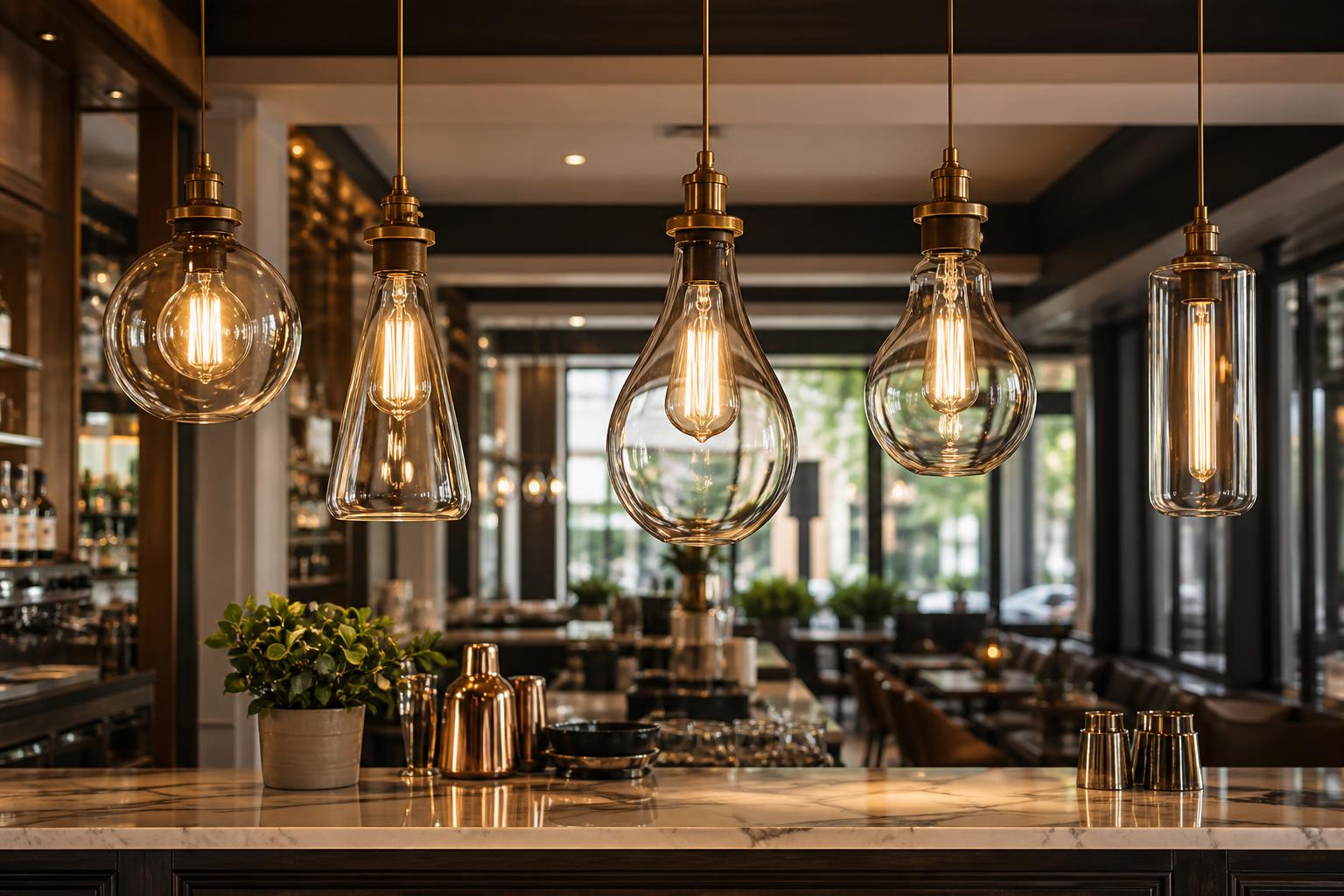
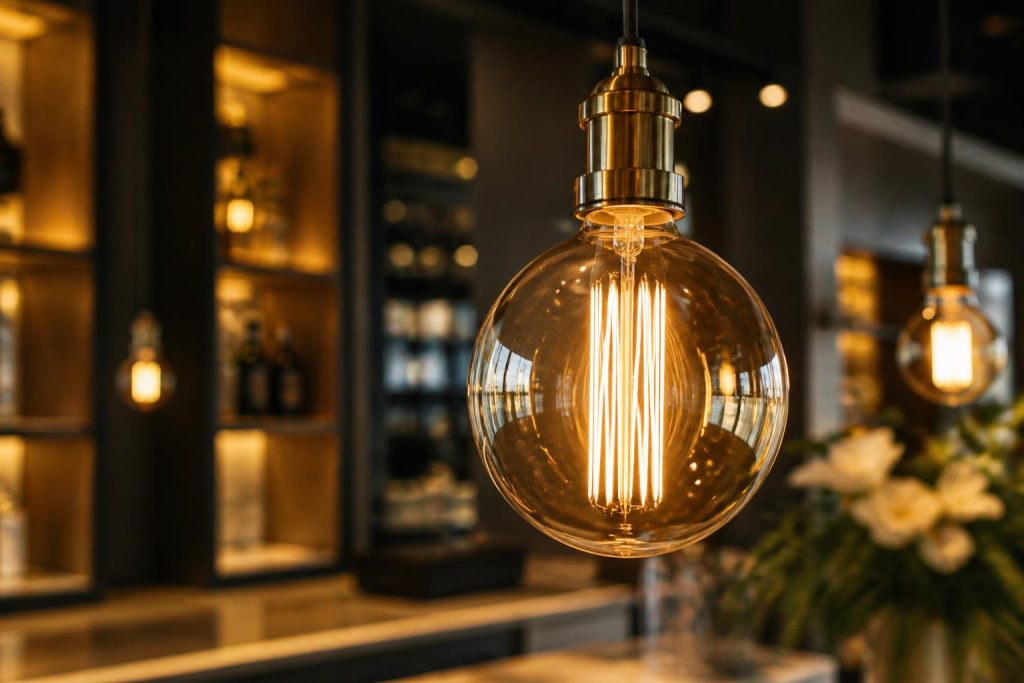
A globe shape feels visually steady and works in open pendants, clusters, and simple decorative sockets. It gives the filament room to show without looking overly formal, so the room impression is relaxed and broadly approachable.
Flame / Torpedo Tall, refined, and slightly classicThis silhouette suits chandeliers, candle-style fixtures, and decorative candelabra layouts. The pointed profile adds vertical movement and a more elegant room feel, especially where the lamp is meant to echo traditional detailing.
Teardrop Soft, ornamental, and visually lightTeardrop forms feel graceful in hanging fixtures and layered compositions. They are useful when the bulb should look delicate rather than mechanical, creating a gentle decorative impression without overwhelming nearby materials.
Pear Compact, tidy, and compatible with many fixturesPear-shaped bulbs sit comfortably in everyday decorative fixtures where a clean outline matters more than drama. They work well in mixed-use interiors because the shape feels present but not visually heavy.
Tubular Architectural, linear, and more contemporaryTubular glass reads as a crisp vertical element and suits exposed holders, industrial-inspired pendants, and modern bar or café settings. The impression is neat and graphic, with the filament often becoming the main visual detail.
Specialty Sculptural Forms Statement-led and intentionally decorativeSpecialty forms are for projects where the lamp itself should become part of the interior identity. They fit best in feature fixtures, branded spaces, and display areas where a more memorable silhouette is worth the extra attention.
03Why Bulb Shape Changes the Fixture Story
In decorative lighting, the glass silhouette does more than house the filament. It changes how large the lamp feels inside the fixture, how strongly the eye tracks repeated shapes, and whether the pendant reads as a calm accent or a deliberate centerpiece. A rounder profile usually feels fuller and more present, while a slimmer or more tapered form can make the same fixture feel lighter and more rhythmic.
That shift matters in hospitality interiors because guests read scale quickly. In an open café or bar pendant, the bulb shape becomes part of the visual distance between the socket, the shade, and the room. A bulb with a stronger body can anchor the composition; a more delicate silhouette can leave the fixture feeling airier and less crowded.
Shape also affects balance. When multiple lamps hang in a row, the profile sets the tempo: consistent globes feel orderly, mixed silhouettes feel more collected, and a stronger sculptural form can turn the bulb into the clearest design note in the scene. For projects that need a refined but memorable look, the best choice is the one that supports the fixture rather than fighting it.
Useful when the bulb should stand up to a generous pendant, a long bar, or an exposed decorative cluster.
Helpful in aligned fixtures where the eye moves across a row and needs a steady visual beat.
Choose the silhouette based on whether the lamp should blend into the concept or carry more of the mood itself.
For the strongest result, match bulb shape to fixture openness, viewing distance, and how much visual emphasis the bulb should carry in the room.
04Think in Fixture Context, Not Shape Labels
The same filament bulb can feel completely different once it is placed in a chandelier, a wall sconce, a pendant cluster, or a display lamp. The real question is not only what the glass shape looks like, but how the bulb reads from the viewing distance, whether the filament should be exposed, and whether the lamp is meant to lead the composition or stay in the background.
Use shapes that hold their presence in open air. In multi-arm or tiered chandeliers, the bulb often becomes part of the rhythm, so a balanced silhouette usually works better than a shape that feels too heavy or too narrow.
Choose a shape that respects the wall and shade geometry. In closer wall applications, the bulb can be highly visible, so the finish and body proportion should soften glare without losing character.
Clustered pendants reward visual consistency. A shape that repeats cleanly across several hanging points helps the composition feel deliberate rather than busy, especially when the bulbs are seen from below.
For shelves, counters, and presentation pieces, the bulb may function as a small focal object. In that setting, the shape should read clearly enough to support the display, but not overpower the merchandise or fixture.
Farther viewing usually favors cleaner silhouettes with strong readability. Closer viewing can handle more detail, but it also makes small irregularities, reflections, and filament position more noticeable.
If the bulb is fully exposed, the glass form becomes part of the room language. If it sits behind a shade or inside a deeper fitting, the shape can be chosen more quietly and support the fixture instead of dominating it.
Glare becomes more important as the bulb moves closer to eye level or reflective surfaces. A calm finish, a more diffused appearance, or simply a less aggressive silhouette can improve comfort without losing decorative intent.
Decide whether the lamp should be a focal point or background light. If it is meant to be noticed, choose a shape with stronger visual identity. If it should fade into the composition, let the fixture and the overall lighting scene do more of the work.
Before approving a sample, place the bulb into the real fixture family and judge it at actual installation distance. That simple check usually tells you more than a shape name ever will.
05Design Questions
This guide helps buyers match LED filament bulb glass shape to the fixture’s role and visual balance.
What should I choose first: the bulb shape or the fixture style?
Choose the fixture style first. The article says the bulb shape should support the fixture’s visual role, not compete with it. Open pendants and chandeliers can carry more expressive forms, while cage fixtures and shaded lamps usually work better with calmer shapes that stay readable without dominating the scene.
Which LED filament bulb glass shapes are safest all-round choices?
Globe and pear are the safest all-round choices. Globe feels balanced and familiar in open pendants and clusters, while pear stays tidy and compatible with many decorative fixtures. The article recommends these when you want the bulb to fit comfortably without becoming too heavy or too dramatic.
When should I pick a more sculptural or decorative shape?
Pick a more sculptural shape when the bulb is meant to be noticed as part of the room design. Flame, teardrop, tubular, and specialty forms work well when the lamp should add character, create a refined vertical line, or become a statement element in open fixtures, branded spaces, or display areas.
Does bulb shape affect how the fixture feels in the room?
Yes. The article explains that shape changes perceived scale, rhythm, and balance. Rounder silhouettes feel fuller and more present, while slimmer or tapered forms make a fixture feel lighter and more rhythmic. In rows or clusters, repeated shapes create a cleaner cadence and a more deliberate look.
What comfort or performance details matter beyond shape?
For long-viewing hospitality and retail settings, the article notes that a flicker-free version can improve visual comfort because it is designed for more stable light output and reduced visible or measurable flicker. It also notes that some filament designs use inert gas to help move heat from the filament area to the glass shell.
06Decide the Look by Visual Comfort
When the fixture style is already chosen, the next decision is not only shape. It is how exposed you want the filament to feel, how softly the glow should read, and whether the bulb should disappear a little or stay visually present.
If the bulb is part of the visual story, prioritize a clearer glass form and a filament look that reads crisply from the room.
If the fixture already has strong lines or metalwork, let the bulb sit back slightly so the overall composition feels calmer.
If the space needs atmosphere more than emphasis, favor a shape and finish that reduce visual noise and keep attention on the fixture.
For long-view hospitality and retail settings, a flicker-free version can improve visual comfort because it is designed for more stable light output and reduced visible or measurable flicker. Standard versions may still be suitable where the bulb is more decorative than task-like.
Open pendants usually welcome a more visible filament profile. Dense cages, shaded sconces, and layered metal frames often need a quieter bulb presence.
If the bulb should act like a feature, pick a clearer, more expressive shape. If it should support the fixture, keep the visual language simple and restrained.
Guest-facing spaces that stay lit for long periods benefit from stable output and reduced flicker, especially where people sit, read, or browse for extended hours.
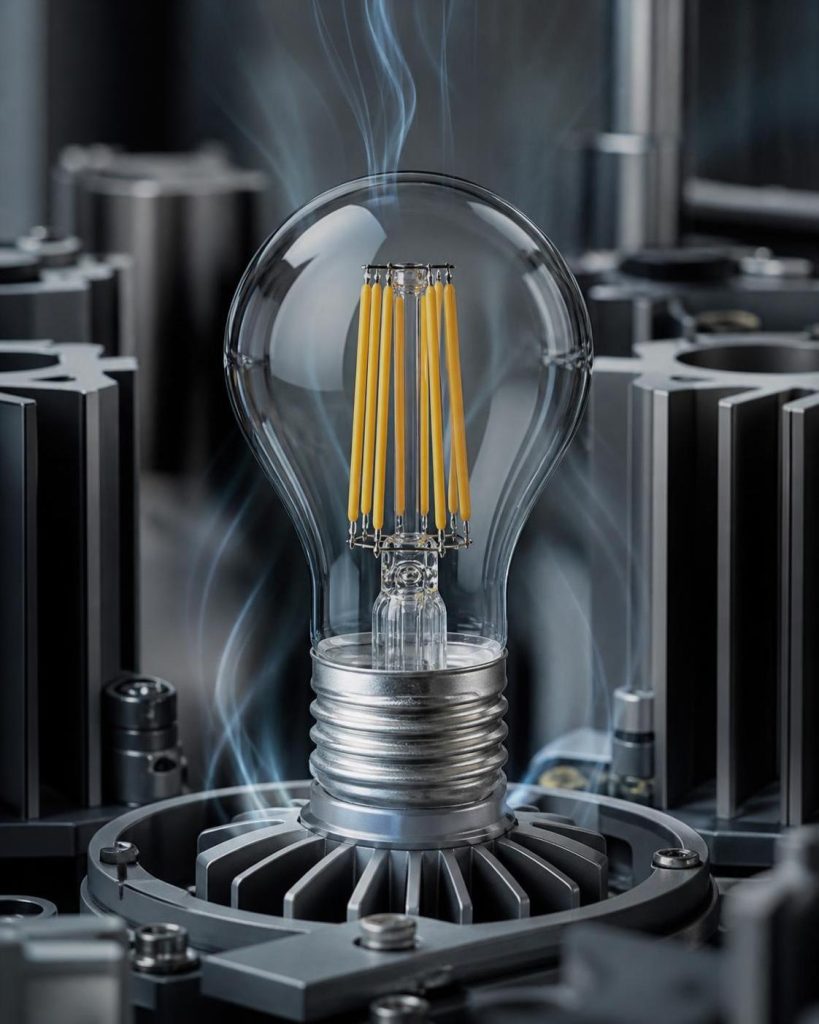
Some LED filament bulb designs use inert gas inside the glass envelope to help transfer heat from the filament toward the bulb wall, where it can dissipate more effectively. That internal heat path supports steadier operation when the lamp runs for longer periods.
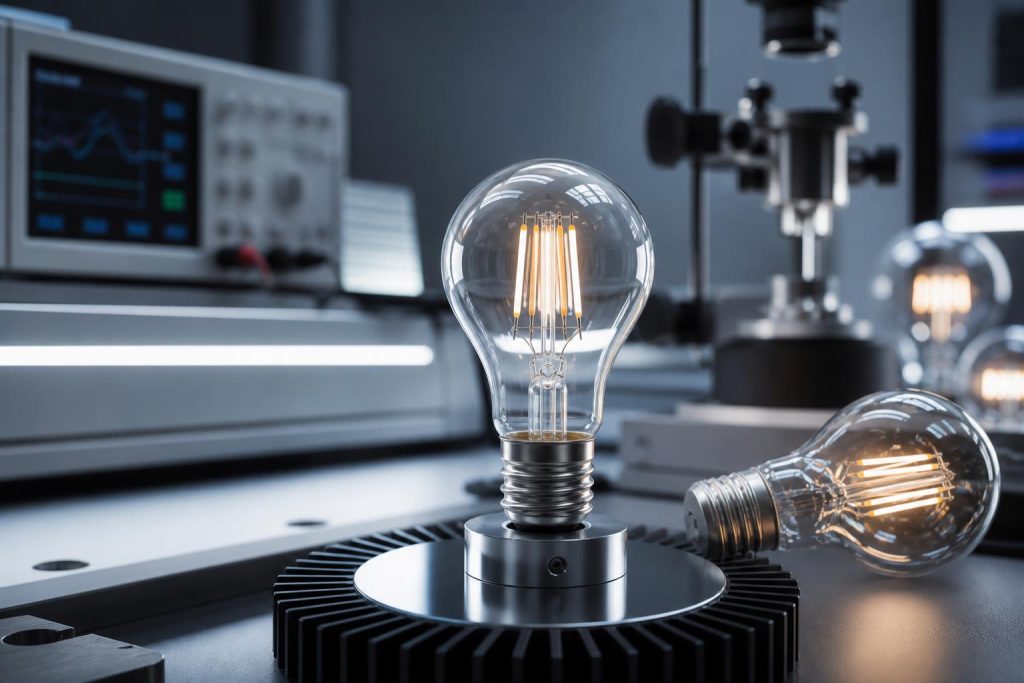
Aging tests matter because a bulb can look fine in a short power-on check but still reveal flicker, instability, or connection issues during continuous operation. That is why stable, repeatable samples are worth confirming before volume orders.
Final check before you shortlist
If the fixture is exposed, choose a shape that lets the filament become part of the design. If the fixture is already busy, choose a calmer bulb that supports the scene instead of competing with it.
Looking for a Product, Not Just Information?
Explore AromaLight LED filament bulb models or send us your specifications, reference photos and OEM / ODM requirements.