
How Inert Gas Improves LED Filament Bulb Thermal Performance
Practical product, application and sourcing guidance for B2B lighting buyers.
← BACK TO JOURNAL01Why inert gas helps decorative filament bulbs stay cooler
In some LED filament bulb designs, the glass envelope is filled with inert gas so heat can move more effectively from the filament area to the bulb wall. That extra internal heat transfer helps the filament run at a more controlled temperature, which supports steadier operation in decorative fixtures.
For open pendants, chandeliers, and other visible-lamp applications, this matters because the bulb is not only a light source. It is also a small thermal system. If heat stays trapped near the filaments, long-run stability can suffer. If heat can move outward more cleanly, the lamp is easier to keep in a comfortable operating range.
In practice, inert gas is one part of the thermal path, not the whole answer. The bulb still depends on the filament structure, the driver design, the glass body, and the fixture environment. Good thermal behavior comes from the full system working together.
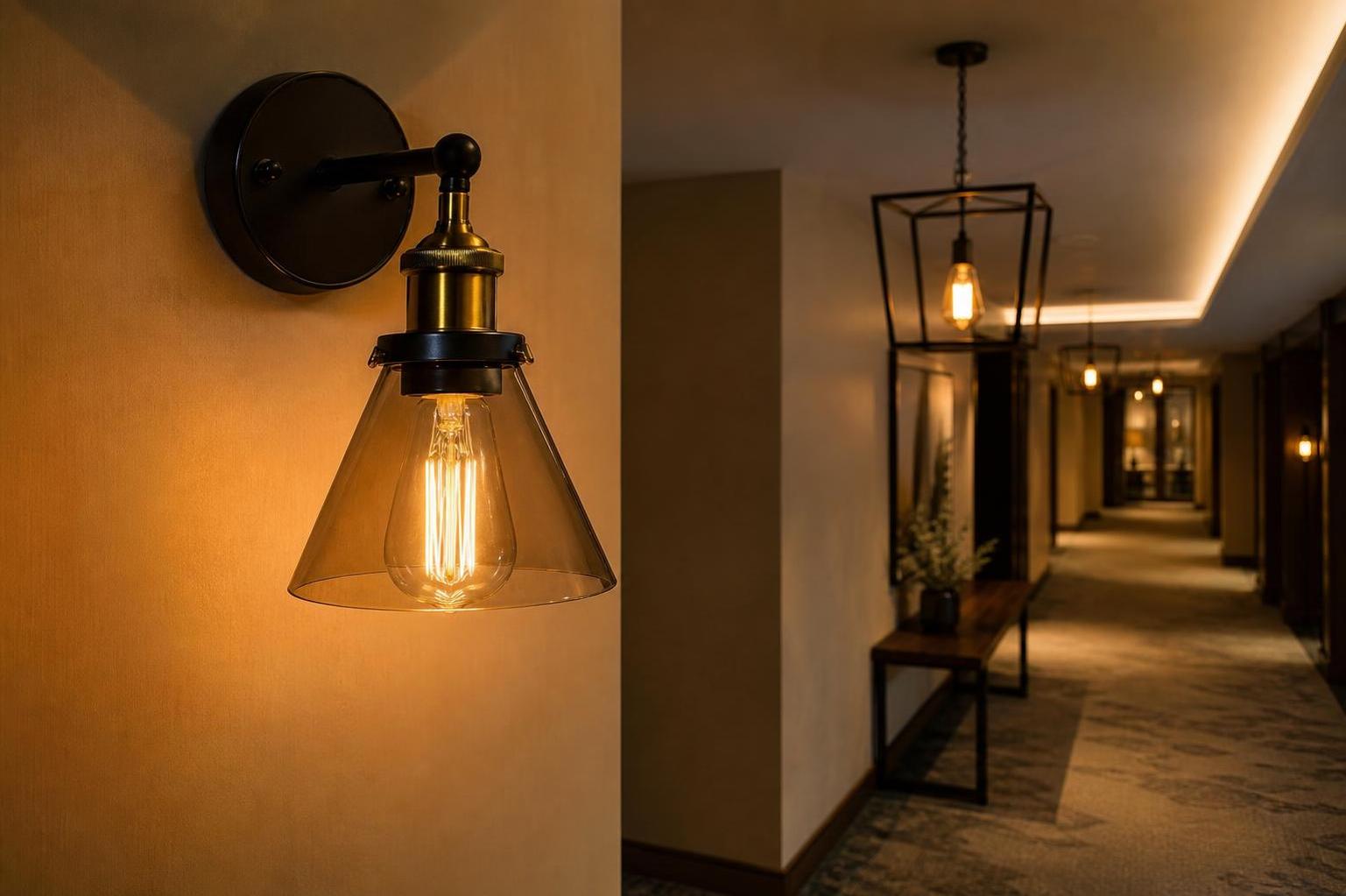
Heat moves from the filament zone toward the glass shell, then disperses through the outer surface.
More effective internal transfer can help keep filament temperature from rising excessively.
Stable temperature behavior is helpful for long-term consistency and service life.
What buyers should remember
If a filament bulb is specified for a decorative fixture, ask how it manages heat inside the envelope, not only how it looks at full brightness. A calm thermal design can make a noticeable difference in long-running use.
Next step: compare the intended fixture, the thermal environment, and the bulb structure before approving samples.
02How inert gas helps thermal control
In some LED filament bulb designs, the glass envelope is filled with inert gas so heat can move more efficiently from the filament area to the bulb wall. That internal heat path matters because decorative fixtures often trap warmth around the lamp body, especially when the bulb is exposed but airflow is limited.
Instead of treating cooling as a single step, it helps to see the sequence: the filament generates heat, the surrounding gas helps transfer that heat toward the glass, and the glass surface releases it into the room. When that path is well balanced, the filament temperature is easier to control and the lamp can operate more steadily over time.
Why the gas layer matters
- Supports internal heat transfer from filament to glass
- Helps reduce heat concentration around the working filament
- Can contribute to more stable operation in decorative use
- Works as part of the overall thermal system, not as the only cooling method
Filament heat builds first
The LED filament produces localized heat during operation. In decorative bulbs, that heat can accumulate quickly inside compact or enclosed fixtures.
Gas helps move heat outward
Where inert gas is part of the bulb structure, it can help transfer thermal energy from the filament zone toward the glass shell more effectively.
Glass releases it to the room
Once heat reaches the envelope, the glass surface disperses it outward. That supports a calmer internal temperature profile and steadier long-run behavior.
What this means in decorative fixtures
For buyers and specifiers, the practical point is not that inert gas replaces other thermal measures. It means the bulb has a better internal route for heat to travel, which can support filament stability, reliability, and service life when the lamp is used in warm decorative environments.
Next check
When reviewing samples, look beyond the lamp turning on. Confirm how stable the bulb feels during continuous operation and whether the fixture environment leaves enough room for heat to escape naturally.
03Buyer Questions
This section explains how inert gas supports heat transfer and thermal stability in LED filament bulbs.
How does inert gas improve thermal performance in an LED filament bulb?
Inert gas can help move heat from the filament area toward the glass wall more effectively. Once heat reaches the envelope, the glass can release it to the room more evenly. That improved internal heat path helps the filament operate at a more controlled temperature.
Does inert gas replace other thermal design factors?
No. It is only one part of the thermal system. The final operating temperature still depends on filament structure, driver design, glass body, and the fixture environment. Good thermal behavior comes from all of those parts working together.
Why does better heat transfer matter for decorative fixtures?
Decorative fixtures often expose the bulb and can limit airflow around it. If heat stays trapped near the filament, stability can suffer during long operation. A cleaner heat path helps the lamp stay in a more comfortable operating range in visible-lamp applications.
What should buyers ask when reviewing a filament bulb sample?
Ask how the bulb manages heat inside the envelope, not just how it looks at full brightness. A brief power-on check is not enough. Review the intended fixture, the thermal environment, and whether the bulb stays stable during continuous use.
Why are aging tests relevant to thermal performance?
Aging tests help reveal problems that may not appear in a short startup check. They can expose flicker, unstable brightness, intermittent operation, electrical failure, poor connections, and driver instability under continuous operation. That makes them useful for checking thermal and reliability behavior together.
04Ready to validate the thermal story in real fixtures
The main takeaway is simple: when a filament bulb uses the right internal gas fill and a stable build, heat can move away from the filament zone more effectively and the lamp is easier to trust in decorative applications.
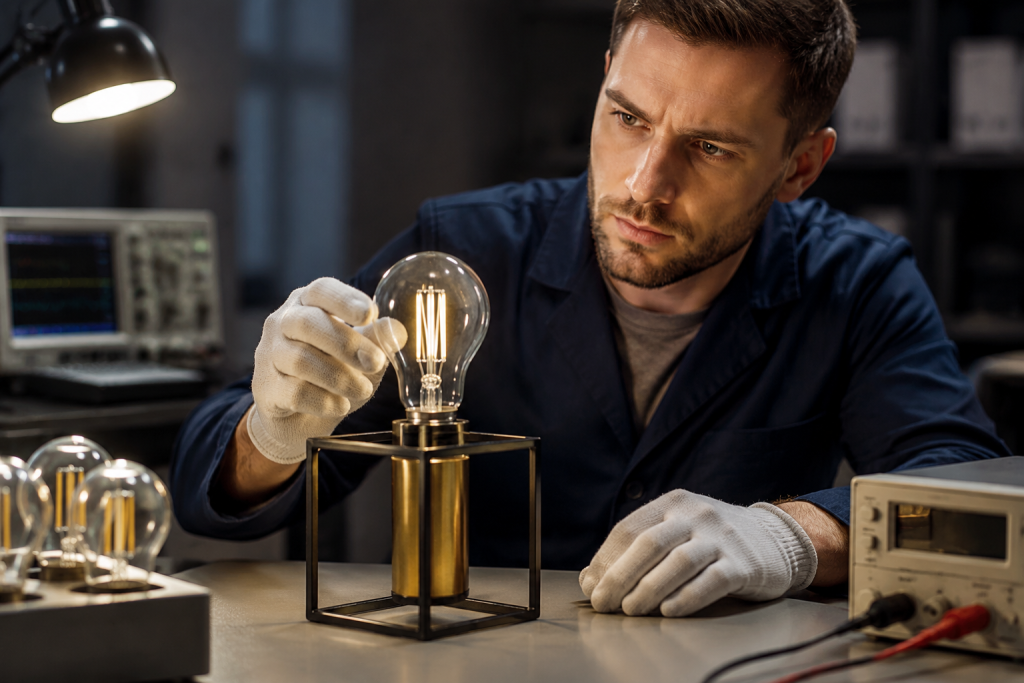
For project approval, don’t stop at a quick power-on check. Review the bulb in the fixture it will actually live in, then watch for stable brightness, clean operation, and any sign of thermal stress over time.
- Check the real fixture geometry and ventilation first.
- Use aging tests to surface early flicker or instability.
- Compare standard and flicker-free driver behavior when visual comfort matters.

Looking for a Product, Not Just Information?
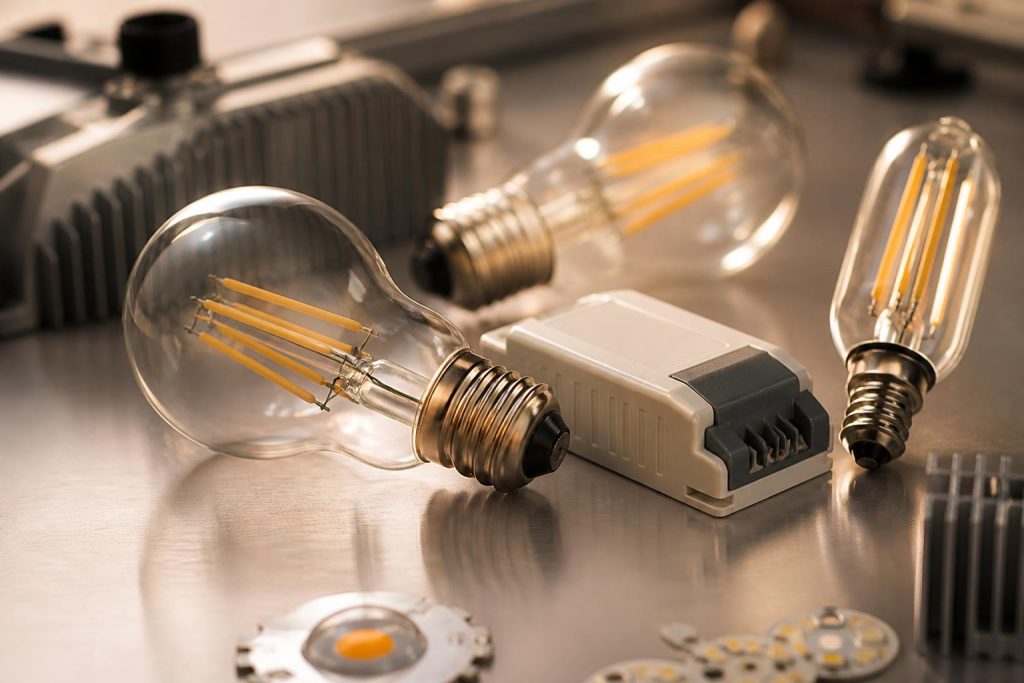
Explore AromaLight LED filament bulb models or send us your specifications, reference photos and OEM / ODM requirements.