
How to Compare Flicker-Free and Standard LED Filament Bulbs
Practical product, application and sourcing guidance for B2B lighting buyers.
← BACK TO JOURNAL01Choose Light Stability Before You Compare Price
Hospitality & retail buying decision
Standard and flicker-free LED filament bulbs can share the same decorative appearance, yet their driver design may create a different visual experience during long operating hours.
Standard LED filament bulbs may show a certain level of flicker as a normal characteristic of their electrical design. That does not automatically mean the lamp is defective. Flicker-free versions use a driver solution designed to provide more stable light output and significantly reduce visible or measurable flicker.
For restaurants, hotels, offices, and retail spaces where guests or staff remain under the lighting for extended periods, visual comfort deserves attention alongside appearance, price, and fixture compatibility.
Use the standard version when the project has modest visual-comfort requirements. Consider flicker-free when the light will run for long periods or when the project places greater emphasis on stable light quality.
Long viewing periods
Flicker-free output is the more considered direction when guests, shoppers, or staff spend extended periods beneath the lamps.
Project fitMatch the use case
Review the intended fixture, operating schedule, dimming requirement, and expected visual-comfort level before selecting the version.
Quality reviewLook beyond the first glow
A short power-on check can miss unstable brightness, intermittent operation, driver issues, or abnormal flicker that continuous aging tests may reveal.
02Flicker-Free or Standard?
For hospitality and retail, the real question is not whether a filament bulb lights up. It is whether the light stays calm during long hours, repeat visits, and close viewing.
Standard LED filament bulbs can be acceptable for decorative use, but some level of flicker may be part of the driver and electrical design. That is not always a defect. Flicker-free versions use a driver solution designed to deliver steadier output and reduce visible or measurable flicker, which is useful when guest comfort and product presentation matter.
Use the comparison below to match the bulb type to the job, not just the price point.
Flicker-free: reduced to a much steadier level
If the lamp is used in guest-facing spaces or near reflective surfaces, the difference becomes easier to notice.
Flicker-free: driver is tuned for more stable light
The driver is the hidden reason two bulbs can look similar but feel very different in use.
Flicker-free: better for long viewing and repeat exposure
Hotels, restaurants, offices, and retail interiors benefit when the light feels steady over time.
Flicker-free: comfort-led projects with higher visual-quality expectations
Choose the calmer option when the bulb will be noticed, not hidden.
How to choose in procurement terms
If the fixture is part of a mood-only scheme, a standard bulb may be enough. If the lighting sits close to people, merchandise, mirrors, menus, or reception areas, flicker-free is usually the safer shortlist.
For longer operating hours, stable light output is more than a comfort preference. It supports a better guest experience, a cleaner visual impression, and fewer questions from clients who are sensitive to visual strain.
Quick selection rule
Short decorative use → standard can work.
Long hours, close viewing, premium presentation → choose flicker-free.
If comfort is a project requirement, treat stability as a specification, not an upgrade.
Next step
Ask for samples in the exact fixture and compare them under real viewing distance before you lock the order.
03What Flicker-Free Adds in Real Spaces
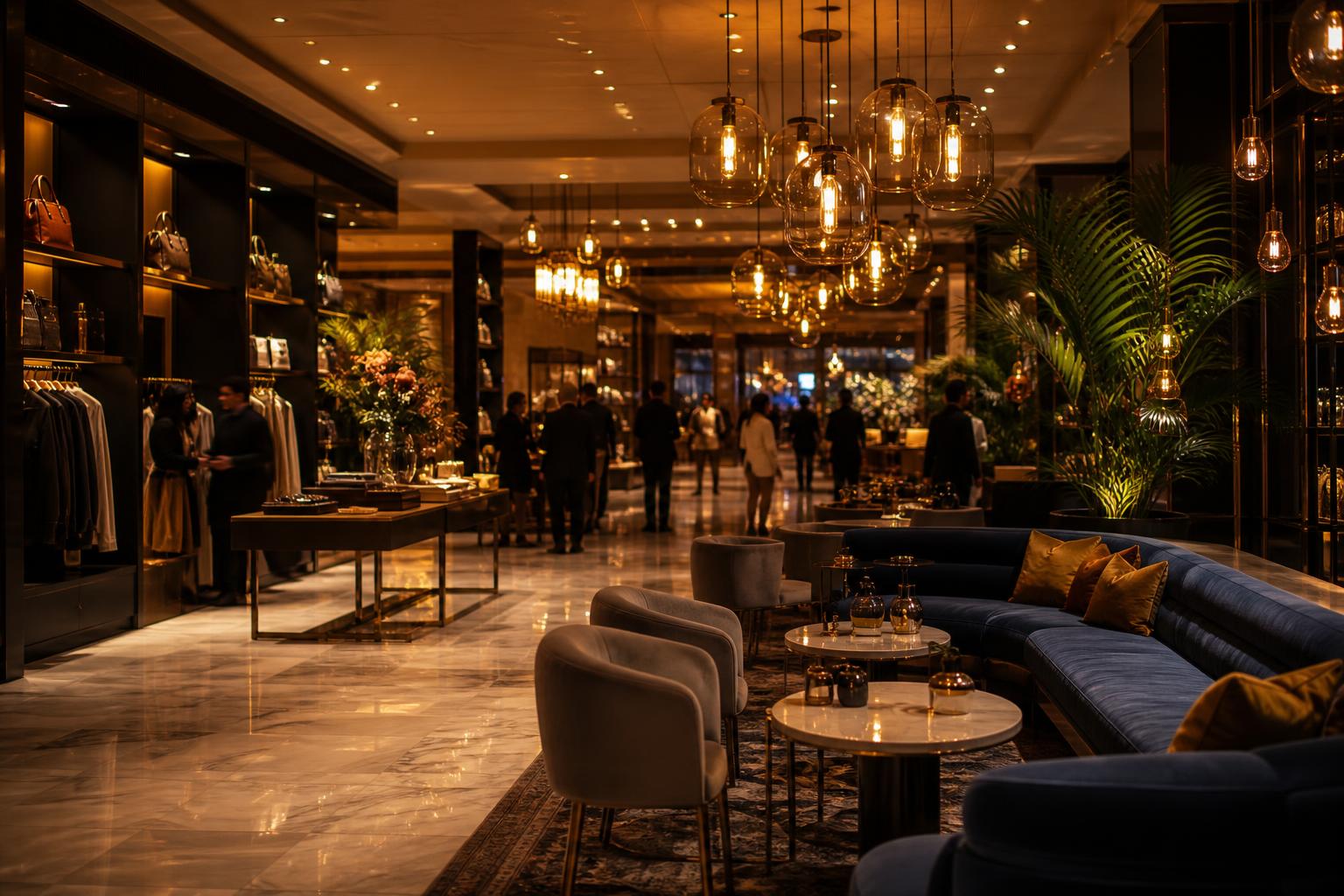
In hospitality and retail, exposed LED filament bulbs are judged over time. Guests sit, shop, and wait under the same decorative light for long periods, so the question is not only whether the bulb turns on, but whether it feels steady and comfortable across the whole stay.
Can show some flicker as part of their driver and electrical design. That does not automatically mean the lamp is defective; it can be a normal behavior for the product type.
Flicker-free optionsUse a driver solution designed for more stable light output, reducing visible or measurable flicker and supporting a calmer visual experience in guest-facing spaces.
Best fitChoose flicker-free when the fixture will be seen for hours at a time in hotel lobbies, restaurants, cafés, boutiques, waiting areas, or other projects where visual comfort matters.
If the bulb is part of the room’s daily atmosphere, compare the standard and flicker-free versions in the intended space, not just on a bench. Continuous use, repeated exposure, and proximity to people make light stability more important than the decorative look alone.
For long-viewing interiors, start with the space type first, then select the bulb version that better supports eye comfort and stable ambience.
04Verify Flicker in the Real Fixture
A bulb can look fine in a quick bench check and still behave differently once it is installed, dimmed, or left on for a longer run. That is why the comparison between standard and flicker-free filament bulbs should happen in the actual fixture, under the actual control gear, and with the same operating pattern the project will use.
What should be checked first?
Start with the real lamp-holder, dimmer, and wiring path. Visible flicker is often tied to the driver and the electrical environment, so the same bulb can feel acceptable in one setup and distracting in another.
Why is a brief power-on test not enough?
A short flash test only proves that the bulb lights. It does not reveal whether brightness stays stable, whether the driver settles cleanly, or whether the filament assembly develops intermittent behavior after heat builds up.
When does flicker-free matter most?
For hotels, restaurants, offices, and retail spaces where people stay under the light for long periods, reduced flicker usually gives a calmer visual experience. Standard versions may still be acceptable in some cases, but they can carry more visible or measurable flicker by design.
Real-world comparison points
- Install the sample in the intended fixture, not just on a test lead.
- Observe flicker at startup and after the lamp has warmed up.
- Compare the standard bulb against the flicker-free version under the same dimmer and load.
- Judge comfort, not only whether the bulb turns on.
May show some flicker as part of its driver and electrical design. That does not automatically mean the bulb is defective; it can be a normal characteristic of the product structure.
Uses a driver solution intended to provide more stable light output and significantly reduce visible or measurable flicker, which is useful when comfort is a priority.
Choose the calmer option for spaces where the lamp stays on for long periods and visual comfort matters to guests, staff, or shoppers.
Why aging tests catch what instant checks miss
Aging tests let the bulb run long enough for early problems to appear. During continuous operation, the manufacturer can observe electrical stability, light-output stability, driver behavior, filament condition, and other weak points that may not show up in a brief inspection.
That is where abnormal flicker, unstable brightness, intermittent operation, electrical failure, or poor connections become easier to identify before shipment. The goal is not to promise endless life; it is to screen out unstable units and confirm that the bulb stays dependable under sustained use.
Use this checklist before you approve samples
- Test the bulb in the intended fixture and control setup.
- Compare startup behavior with behavior after continuous run time.
- Look for brightness drift, visible flicker, or intermittent operation.
- Review whether the sample passed a meaningful aging period, not only a momentary power-on check.
If your project prioritizes guest comfort or retail presentation, request both sample types and compare them in the real installation before you lock the specification.
05Quick Technical Answers
This guide helps buyers compare standard and flicker-free LED filament bulbs in hospitality and retail projects.
What is the main difference between standard and flicker-free LED filament bulbs?
The main difference is light stability. Standard LED filament bulbs may show some flicker as a normal part of their driver and electrical design, while flicker-free versions use a driver solution designed to provide more stable light output and significantly reduce visible or measurable flicker.
When is flicker-free the better choice?
Flicker-free is the better choice when the bulb will run for long periods or when visual comfort matters more. It is especially useful in hotels, restaurants, offices, and retail spaces where guests, shoppers, or staff remain under the light for extended periods.
Does some flicker in a standard LED filament bulb mean it is defective?
No, it does not automatically mean the bulb is defective. The article states that some flicker can be a normal characteristic of the product’s driver and electrical design, so buyers should judge it against the intended use and comfort requirement.
Why should buyers test samples in the real fixture?
Because a quick bench check can miss behavior that appears after installation, dimming, or continuous use. The article recommends comparing the standard and flicker-free versions in the intended fixture, under the same control gear and operating pattern, so comfort and stability can be judged realistically.
Why do aging tests matter in this comparison?
Aging tests help reveal problems that a short power-on check may not show. During continuous operation, manufacturers can observe electrical stability, light-output stability, driver behavior, filament condition, and issues such as abnormal flicker, unstable brightness, intermittent operation, or poor connections before shipment.
06Make the Comfort Call
For hospitality and retail, the safer choice is usually the one that matches how long the lamp will stay on, how close people will look at it, and how much visual calm the space needs.
the lamp is decorative, the operating window is shorter, and the project can accept a little more light variation in exchange for a simpler spec.
the fixture runs for long hours, guests sit or stand near the light, or the brand experience depends on a steadier, more comfortable visual field.
hotel rooms, dining areas, boutique displays, lobby accents, and retail spaces where lighting is part of how the space is judged.
The longer the lamp stays on, the more the driver’s stability matters.
Comfort expectationIf guests, staff, or shoppers will live with the light for hours, reduce visible or measurable flicker.
Space typeUse the quieter option where the bulb is seen up close; keep standard versions for simpler decorative use.


Looking for a Product, Not Just Information?
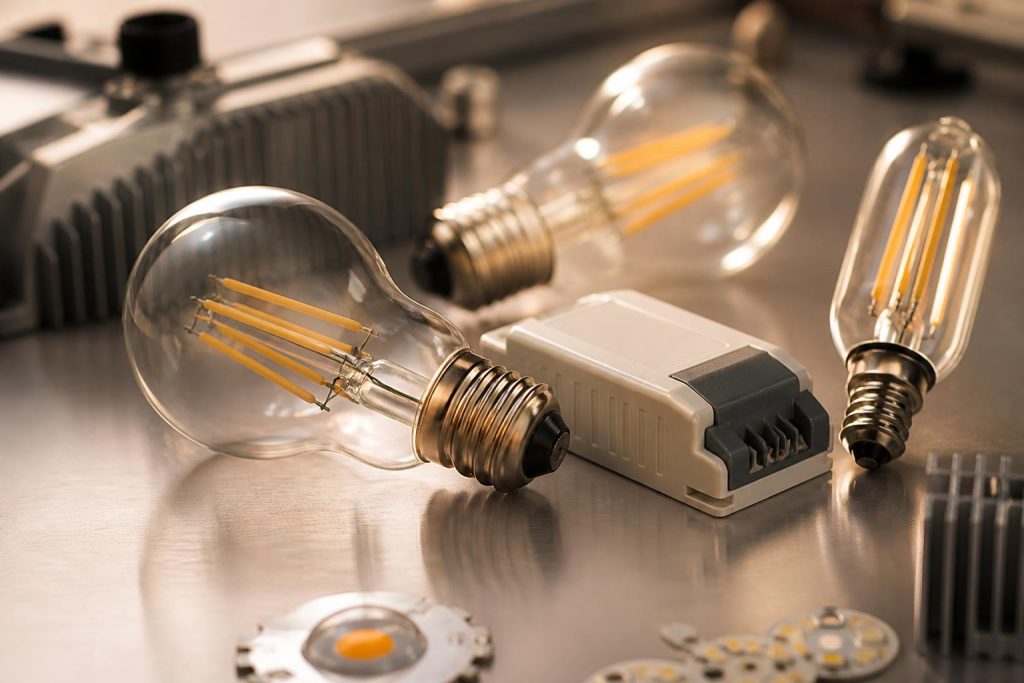
Explore AromaLight LED filament bulb models or send us your specifications, reference photos and OEM / ODM requirements.